Paros and Antiparos sit just seven minutes apart by ferry, yet they offer two strikingly different holiday experiences. Both are beautiful, both are within the Cyclades, and both deserve to be visited. But if you're choosing where to base yourself for a week, which should it be? We've explored both extensively, hosted guests on both islands, and watched travellers arrive excited only to wish they'd booked the other one. Here's an honest comparison to help you decide.
The Key Difference
At their core, Paros and Antiparos embody two opposite approaches to island life.
Paros is the larger, more developed island. It has infrastructure: multiple towns, proper restaurants, bars, nightlife, organised day trips, car rentals, a genuine airport (not just ferries), and thousands of annual visitors. It's a proper holiday destination with all the facilities you'd expect.
Antiparos is the small, intimate alternative. One village, one main road, one taxi, and roughly 1,100 permanent residents who know each other. There's no nightlife, no crowds, fewer restaurants, and considerably fewer tourists. What you get instead is quiet, community, and the feeling that you've actually escaped somewhere.
The ferry between them runs constantly in summer—they're functionally connected. You can easily visit both. But they require different mindsets.
Size & Atmosphere
Paros by the numbers: Roughly 190 square kilometres, around 14,000 permanent residents. The main port (Parikia) and beach town (Naoussa) are lively year-round, bustling in summer. The island feels busy, alive with tourism, full of choices.
Antiparos by the numbers: Roughly 35 square kilometres, around 1,100 permanent residents, concentrated almost entirely in one village. In summer, tourist numbers rise, but the island still feels like you've stumbled onto something undiscovered. The village is walkable in ten minutes. There are no second towns, no alternative scenes—just one place, so you know everyone by the end of the week.
For atmosphere, it comes down to preference. Some people love the buzz of a busy island with different neighbourhoods to explore. Others find that exhausting and want to move slowly in one place. Neither is right or wrong.
Beaches
Paros beaches are famous and organized. Golden Beach on the north coast is enormous and backed by beach bars, restaurants, and water sports operators. Santa Maria is similar. Kolymbithres (Parikia) offers sculpted rock formations and clear water. These beaches have sunbeds, umbrellas, snack bars, and crowds. They're beautiful, well-maintained, and perfect if you want a proper beach day with facilities.
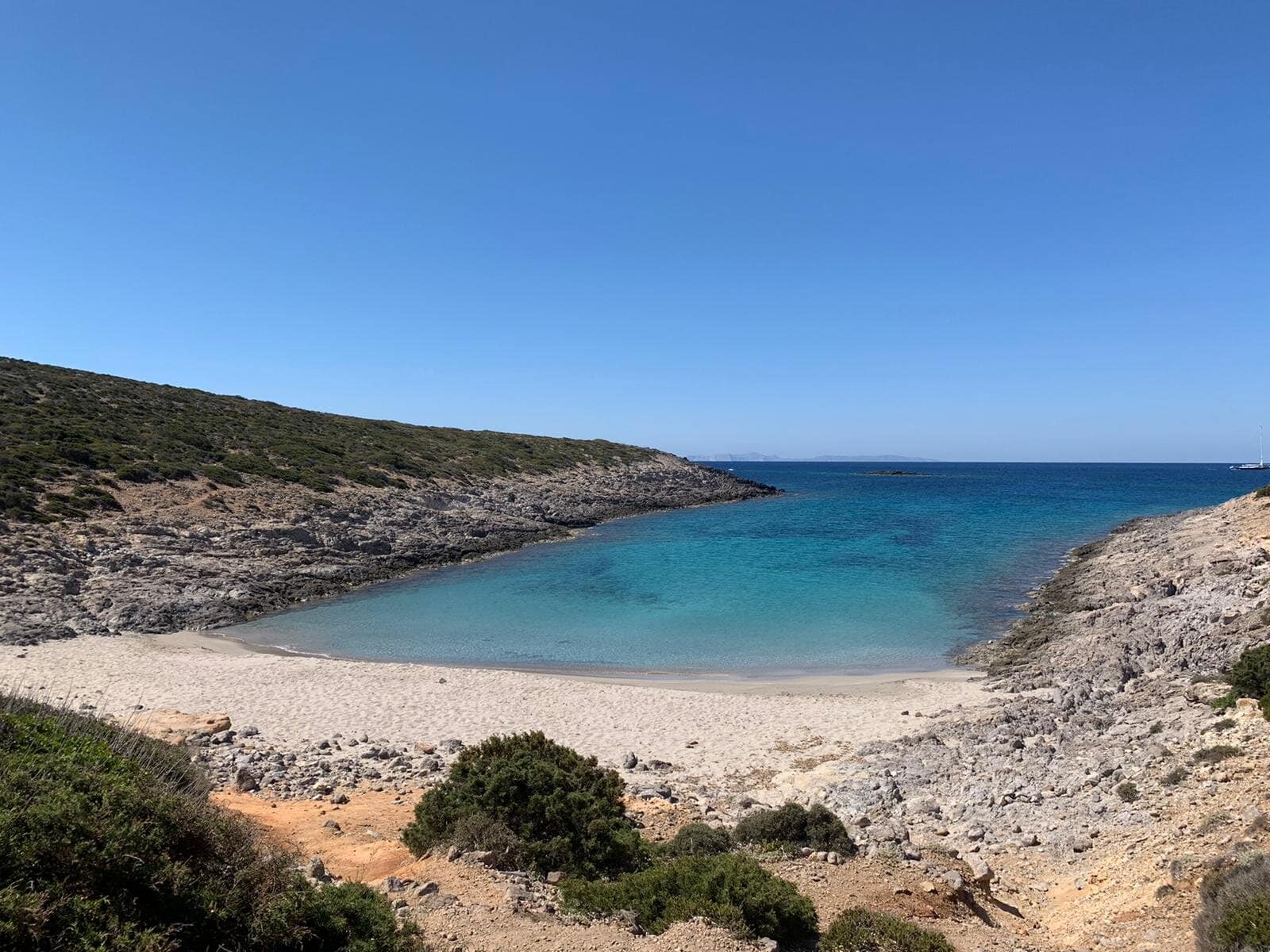
Antiparos beaches are fewer in number but often wilder and more pristine. Faneromeni is exceptional—a long golden crescent with minimal development. Psaraliki (near the port) is convenient and calm. Sifneikos and Glyfa reward short hikes with near-solitude and crystal-clear water. Most have no facilities at all; you bring what you need and keep the wilderness intact.
Choose Paros if you want loungers, cocktails, and the full beach experience. Choose Antiparos if you want empty coastline, privacy, and the sound of the sea without a beach bar soundtrack.
Nightlife & Dining
Paros has a genuine bar and club scene. Naoussa is built around cocktail bars and nightlife—rooftop bars with sunset views, proper clubs with DJs that stay open until 4am, live music venues. Parikia (the main port) has similar infrastructure. If you're under 35 and want to go out, Paros delivers. Restaurants range from casual to fine dining; you'll find everything from kebab shops to seafood fine dining.
Antiparos has excellent tavernas. Five or six proper restaurants serving fresh fish, traditional Greek food, and surprisingly good wine lists. But there are no bars—"drinking culture" means aperitivo on the village square at sunset, cheap wine, olives, local chat. There are no clubs. Dinner starts late (8–8:30pm) and the village is quiet by 10:30pm. If nightlife is non-negotiable, you'll need to take the ferry to Paros, which many guests do once or twice weekly.
For diners seeking authentic food and a slower pace, Antiparos excels. For those chasing nightlife, Paros is essential.
Families & Groups
Both islands are genuinely family-friendly. Beaches are safe, locals are welcoming to children, and there's no rough element on either island.
Antiparos has a slight edge for families with young children: roads are quiet and safe for cycling, beaches are calm, the village is walkable, and the slower pace suits children's sleep schedules. There's less stimulation but also less chaos.
Paros is better for families with teenagers or mixed groups: more activities, more variety, easier to find things that different ages want to do. A 15-year-old bored with family meals can find a café with other young people. That doesn't exist in Antiparos.
Our Verdict
If you're asking which island you should choose, we'd suggest this approach: Stay in Antiparos, and day-trip to Paros when you want a change of scene. The ferry runs constantly in summer (every 30–45 minutes in July and August), the journey takes seven minutes, and day trips are easy. You get the peace and slowness of Antiparos as your base, and the option to tap into Paros's energy whenever you want.
But if forced to choose one:
Choose Antiparos if: You want to slow down, disconnect a bit, feel like a local, spend your days between the beach and a good book, and don't mind limited options. You're seeking quiet, authenticity, and the feeling of actually escaping. You're willing to live at island pace.
Choose Paros if: You want variety, more people, organized activities, restaurants that stay open all day, nightlife, and the infrastructure of a proper holiday destination. You prefer having options and don't mind the buzz of tourism. You like discovering different neighbourhoods and scenes.
The Paros–Antiparos ferry runs constantly in summer. Staying in Antiparos gives you the quiet island base. Then, on a day when you want busier beaches, nightlife, or different restaurants, you take the short ferry to Paros and treat it as your "big city" day out. Best of both worlds.
Whatever you choose, you're choosing the Cyclades—architecture, sea, light, and pace that beat almost anywhere. You can't make a wrong decision.